
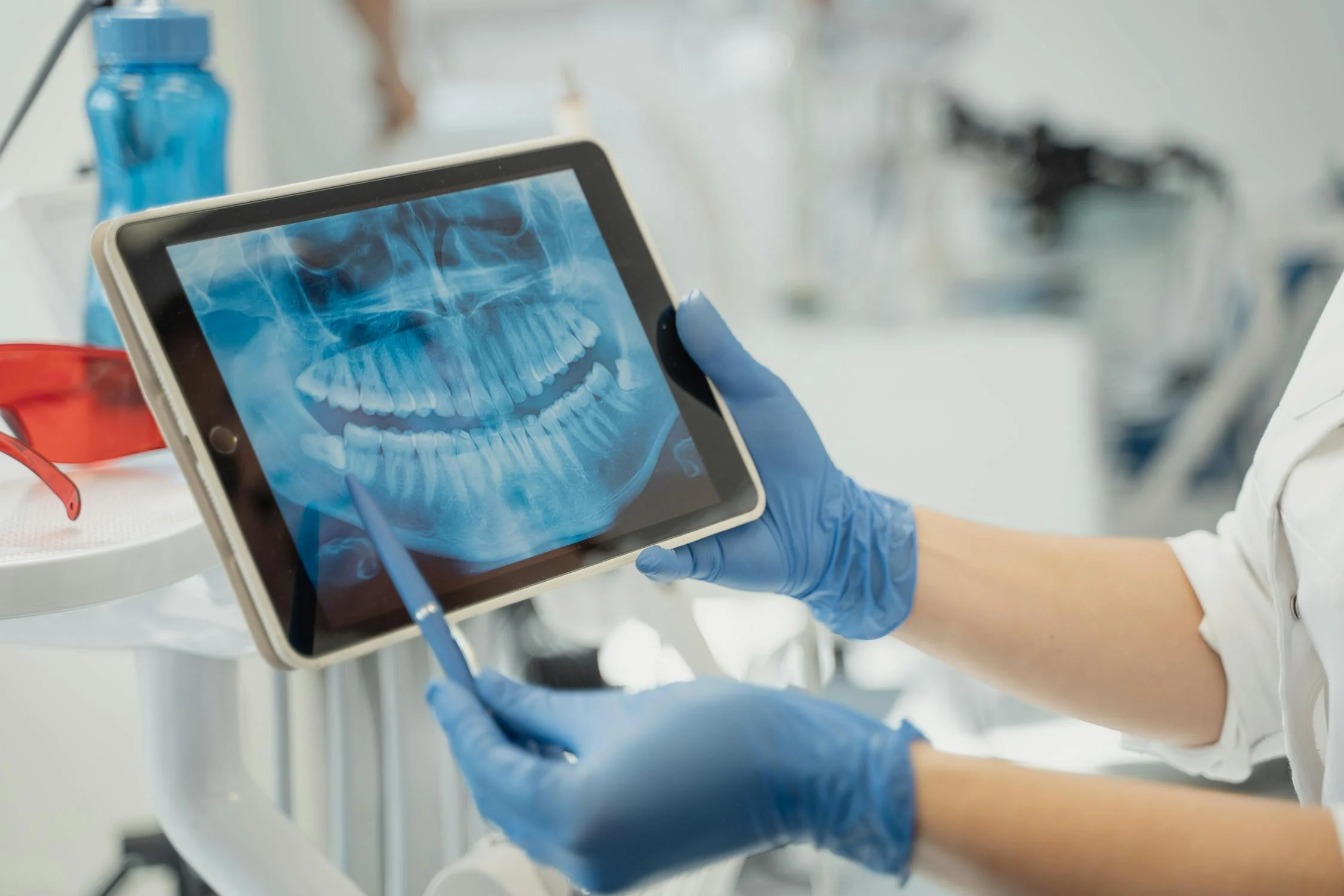
Non Surgical Root Canal
What is a root canal?
A root canal is one of the most common dental procedures performed, well over 14 million every year. This simple treatment can save your natural teeth and prevent the need of dental implants or bridges.
At the center of your tooth is pulp. Pulp is a collection of blood vessels that helps to build the surrounding tooth. Infection of the pulp can be caused by trauma to the tooth, deep decay, cracks and chips, or repeated dental procedures. Symptoms of the infection can be identified as visible injury or swelling of the tooth, sensitivity to temperature or pain in the tooth and gums.
How is a root canal performed?
If you experience any of these symptoms, your dentist will most likely recommend non-surgical treatment to eliminate the diseased pulp. This injured pulp is removed and the root canal system is thoroughly cleaned and sealed. This therapy usually involves local anesthesia and may be completed in one or more visits depending on the treatment required. Success for this type of treatment occurs in about 90% of cases.
If your tooth is not amenable to endodontic treatment or the chance of success is unfavorable, you will be informed at the time of consultation or when a complication becomes evident during or after treatment. We use local anesthesia to eliminate discomfort. You will be able to drive home after your treatment, and you probably will be comfortable returning to your normal routine.
What happens after root canal treatment?
After your root canal therapy has been completed it is important that you receive a permanent restoration in order to protect the tooth. The doctor will decide what type of restoration is necessary. It is rare for endodontic patients to experience complications after routine endodontic treatment. If a problem does occur, however, we are available at all times to respond. To prevent further decay, continue to practice good dental hygiene.
Experience Care that Puts You First
Why is Preventive Dentistry Important?
Preventive dentistry’s value lies in early detection and intervention. By identifying issues early, treatments can be simpler, less invasive, and more cost-effective. Moreover, preventive measures reduce the risk of losing teeth, ensuring the durability of natural teeth.
Reach Out to Us!
Ensuring good oral health is a continuous commitment, and preventive measures are a central component. Saint Louis Dental Studio in Saint Louis, MO, provides a comprehensive range of dental preventive care services to cater to individual needs. Contact us today to schedule your appointment and take proactive steps toward optimal oral health.

faqs

Q: What is a non-surgical root canal?
A: It is a procedure that removes infected or damaged pulp from inside the tooth. The dentist cleans, shapes, and seals the root canal system. The process avoids any surgical incisions.
Q: Why do I need a non-surgical root canal?
A: You may need it when bacteria infect the pulp. This can happen from decay, cracks, or injury. Without treatment infection can spread to bone and cause pain.
Q: Is a non-surgical root canal painful?
A: It is done under local anesthesia so it is usually not painful. Most people feel pressure or mild discomfort during or after treatment, not pain.
Q: What happens after a non-surgical root canal?
A: You may have light sensitivity or mild discomfort. You can resume normal activity quickly. A final restoration like a crown or filling is needed to protect the tooth.
Q: Are there alternatives to a non-surgical root canal?
A: Yes. Options include pulpotomy, pulp capping, tooth extraction, apicoectomy, or retreatment after failed canals. Choice depends on the tooth’s condition and your needs.