
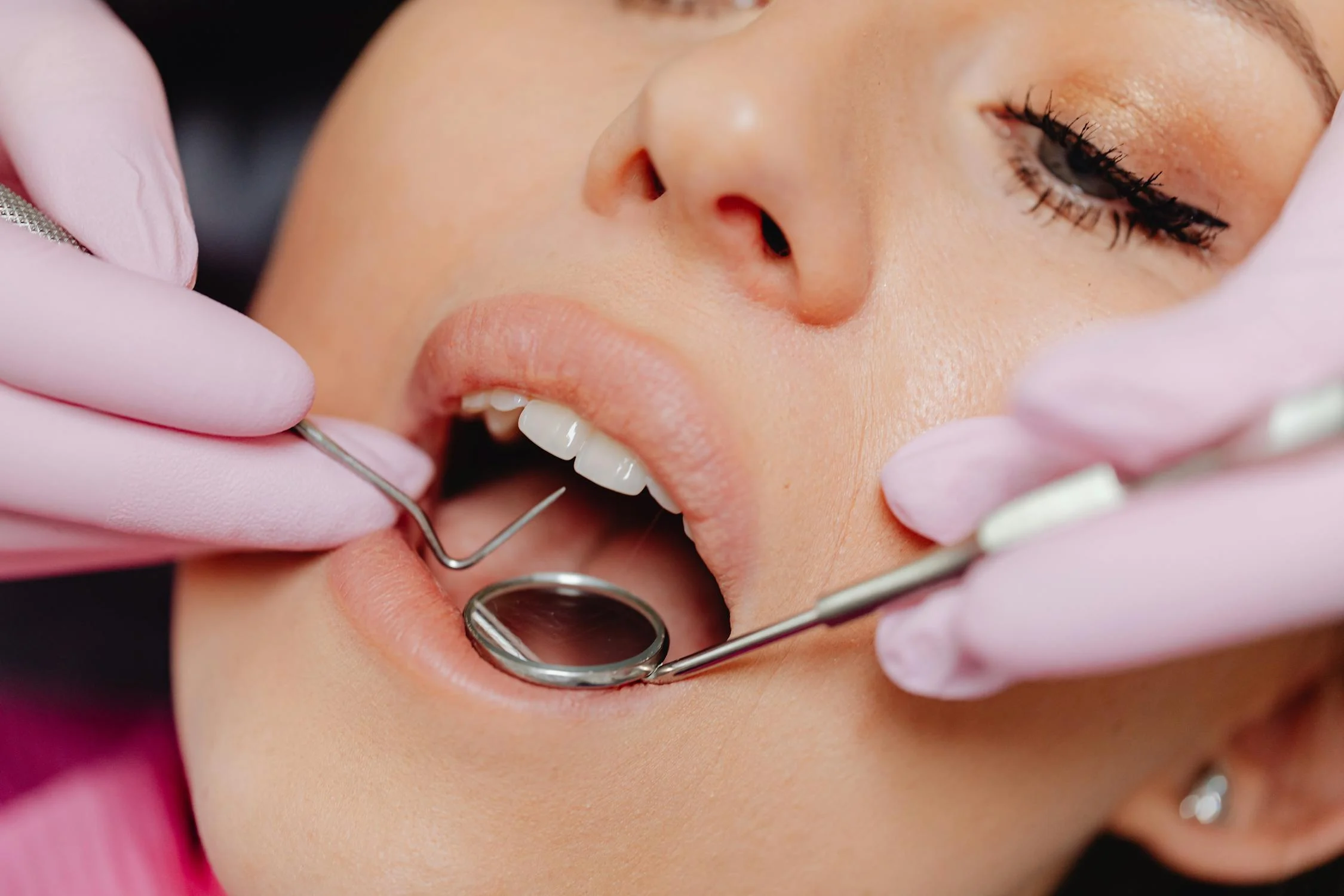
Dental Sealants
Highly effective in preventing decay on the biting surfaces of your chewing teeth, dental sealants are a simple procedure in which a tooth-colored acrylic “coating” is painted onto the surface of the tooth.
Dental sealants effectively “seals” the deep grooves, acting as a barrier and protecting enamel from plaque and acids.
Dental sealants protect the depressions and grooves of your teeth from food particles and plaque that brushing and flossing can’t reach.
Easy to apply, dental sealants take only a few minutes to seal each tooth. Sealants hold up well under the force of normal chewing and can last several years before a reapplication is needed.
Children and adults can benefit from dental sealants in the fight against tooth decay.
Experience Care that Puts You First
Why is Preventive Dentistry Important?
Preventive dentistry’s value lies in early detection and intervention. By identifying issues early, treatments can be simpler, less invasive, and more cost-effective. Moreover, preventive measures reduce the risk of losing teeth, ensuring the durability of natural teeth.
Reach Out to Us!
Ensuring good oral health is a continuous commitment, and preventive measures are a central component. Saint Louis Dental Studio in Saint Louis, MO, provides a comprehensive range of dental preventive care services to cater to individual needs. Contact us today to schedule your appointment and take proactive steps toward optimal oral health.

faqs

Q: What are dental sealants?
A: Dental sealants are thin coatings painted on the chewing surfaces of back teeth. They act as a barrier to keep out germs and food particles that cause cavities.
Q: When are sealants recommended?
A: They are most effective when placed on newly erupted permanent molars and premolars. Children benefit the most, though adults at high risk of cavities may also benefit.
Q: How long do sealants last?
A: Sealants typically last between five to ten years. They may wear down over time. Regular check‑ups help detect wear and allow reapplication as needed.
Q: Are sealants safe?
A: Yes. They are considered safe. Concerns around BPA are minimal. The amount in sealants is extremely low and not regarded as harmful.
Q: What is the application process for sealants?
A: The tooth is cleaned and dried. An etching gel is applied to prepare the surface. Then the sealant is painted on and hardened with a curing light. The process is fast, painless, and usually takes minutes per tooth.