
Tooth Extractions
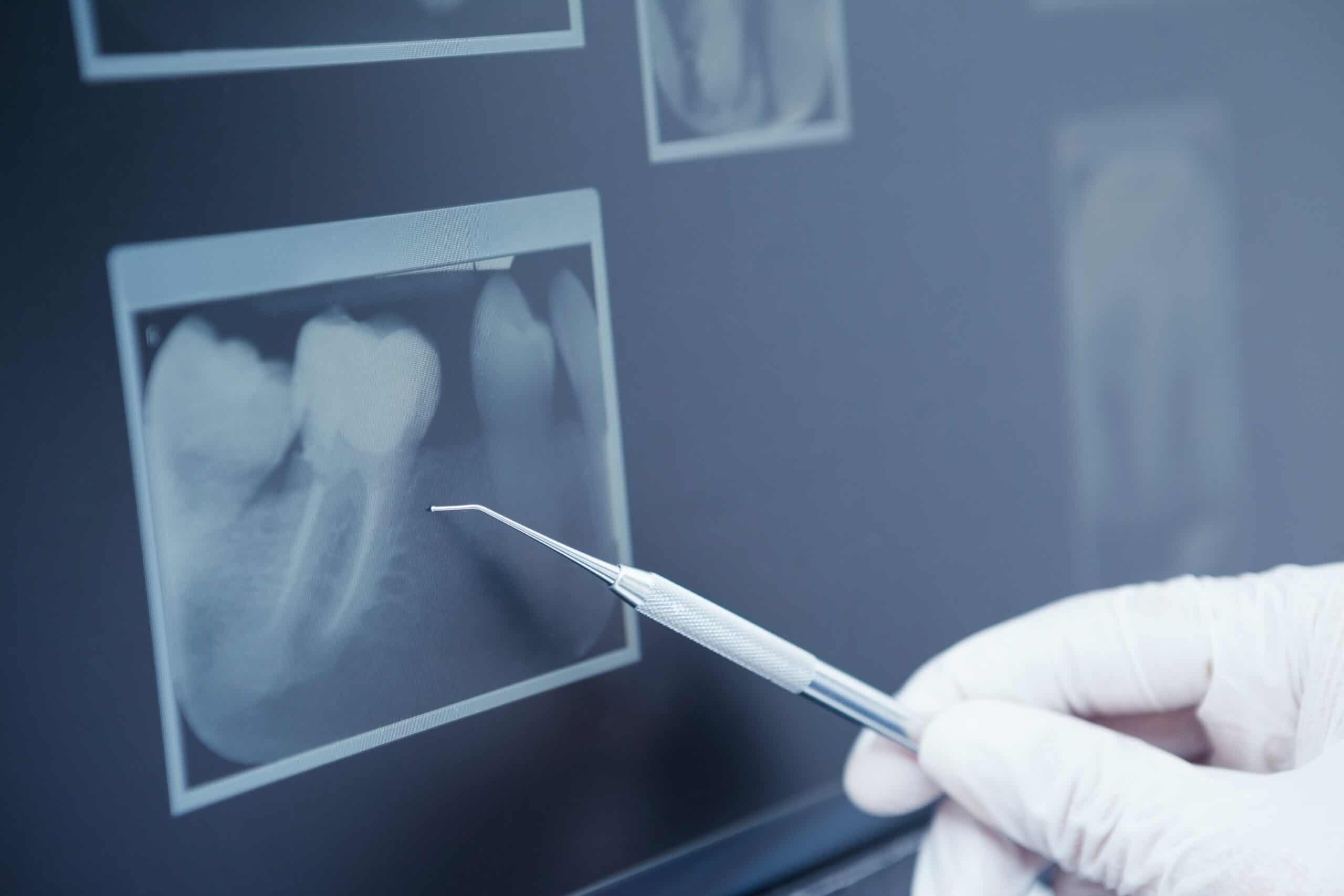
You and Dr. Pyle and Dr. Jasmine may determine that you need a tooth extraction for any number of reasons. Some teeth are extracted because they are severely decayed; others may have advanced periodontal disease, or have broken in a way that cannot be repaired. Other teeth may need removal because they are poorly positioned in the mouth (such as impacted teeth), or in preparation for orthodontic treatment.
The removal of a single tooth can lead to problems related to your chewing ability, problems with your jaw joint, and shifting teeth, which can have a major impact on your dental health.
To avoid these complications, in most cases, Dr. Pyle and Dr. Jasmine will discuss alternatives to extractions as well as replacement of the extracted tooth.
Frequently Asked Questions about Tooth Extractions:
The Extraction Process
At the time of extraction the doctor will need to numb your tooth, jaw bone and gums that surround the area with a local anesthetic.
During the extraction process you will feel a lot of pressure. This is from the process of firmly rocking the tooth in order to widen the socket for removal.
You feel the pressure without pain as the anesthetic has numbed the nerves stopping the transference of pain, yet the nerves that transmit pressure are not profoundly affected.
If you do feel pain at any time during the extraction please let us know right away.
After Tooth Extraction
After tooth extraction, it’s important for a blood clot to form to stop the bleeding and begin the healing process. Bite on a gauze pad for 30-45 minutes immediately after the appointment. If the bleeding or oozing still persists, place another gauze pad and bite firmly for another 30 minutes. You may have to do this several times to staunch the flow of blood.
After the blood clot forms it is important to not disturb or dislodge the clot. Do not rinse vigorously, suck on straws, smoke, drink alcohol or brush teeth next to the extraction site for 72 hours. These activities may dislodge or dissolve the clot and hinder the healing process. Limit vigorous exercise for the next 24 hours, as this increases blood pressure and may cause more bleeding from the extraction site.
After the tooth is extracted you may feel some pain and experience some swelling. An ice pack or an unopened bag of frozen peas or corn applied to the area will keep swelling to a minimum. Take pain medications as prescribed. The swelling usually subsides after 48 hours.
Use pain medication as directed. Call our office if the medication doesn’t seem to be working. If antibiotics are prescribed, continue to take them for the indicated length of time even if signs and symptoms of infection are gone. Drink lots of fluids and eat nutritious, soft food on the day of the extraction. You can eat normally as soon as you are comfortable.
It is important to resume your normal dental routine after 24 hours. This should include brushing and flossing your teeth at least once a day. This will speed healing and help keep your mouth fresh and clean.
After a few days you should feel fine and can resume your normal activities. If you have heavy bleeding, severe pain, continued swelling for 2-3 days, or a reaction to the medication, call our office immediately.
Experience Care that Puts You First
Why is Preventive Dentistry Important?
Preventive dentistry’s value lies in early detection and intervention. By identifying issues early, treatments can be simpler, less invasive, and more cost-effective. Moreover, preventive measures reduce the risk of losing teeth, ensuring the durability of natural teeth.
Reach Out to Us!
Ensuring good oral health is a continuous commitment, and preventive measures are a central component. Saint Louis Dental Studio in Saint Louis, MO, provides a comprehensive range of dental preventive care services to cater to individual needs. Contact us today to schedule your appointment and take proactive steps toward optimal oral health.

faqs

Q: Why might I need a tooth extraction?
A: A dentist may recommend removal when a tooth is too damaged to fix with a filling or crown. This can happen due to deep decay, trauma, gum disease, or overcrowding. Extraction can also prevent a spreading infection or make room for orthodontic treatment.
Q: What is the difference between a simple and surgical extraction?
A: A simple extraction removes a tooth visible above the gum using instruments like forceps under local anesthesia. A surgical extraction is needed when the tooth is impacted or broken below the gum line. It involves making an incision, sometimes removing bone, or breaking the tooth into pieces to extract it.
Q: Is a tooth extraction painful?
A: Dentists use local anesthesia to numb the area. Patients feel little to no pain during the procedure itself. Any discomfort is usually from the infection rather than the extraction.
Q: What is recovery like after an extraction?
A: Expect mild swelling, soreness, and light bleeding for a few days. Healing generally takes one to two weeks. Avoid smoking and use soft foods. Dry socket is a possible complication if a clot dislodges too early.
Q: What should I expect during a tooth extraction?
A: The dentist will numb the area, then loosen and remove the tooth using tools. The socket may be cleaned and disinfected. In complex cases, stitches or socket preservation may be needed.